


Understanding Androgenetic Alopecia: Causes, Treatment Options & Prevention Strategies
Understanding Androgenetic Alopecia: Causes, Treatment Options & Prevention Strategies
Definition of androgenetic alopecia
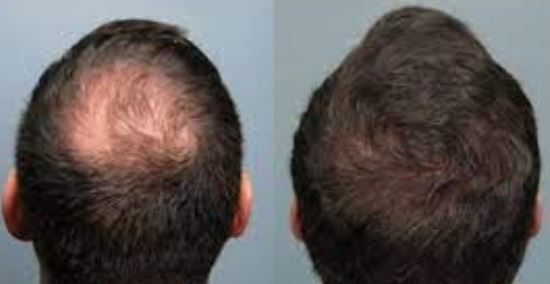
Androgenetic alopecia (AGA), commonly known as male pattern baldness, is a form of hair loss which affects men and women. It occurs when the body produces too much of the hormone dihydrotestosterone (DHT). DHT causes the hair follicles to shrink and eventually become unable to produce new hairs. This type of alopecia usually begins with thinning of the hair at the crown of the head and progresses to a more general thinning across the scalp. AGA causes stress and anxiety for those affected, as it can be an emotionally difficult condition to manage.

Symptoms & prevalence
While androgenetic alopecia is more common in men, it can affect women as well. Symptoms typically begin with a gradual thinning of the hair at both temples and along the hairline. This may progress to a general thinning across the entire scalp. Studies have estimated that this type of alopecia affects up to 50% of men by the age of 50.
Causes
The exact cause of androgenetic alopecia is still unknown, but it is believed to be due to a combination of genetic and hormonal factors. Dihydrotestosterone (DHT) has been identified as the primary factor associated with this type of hair loss. DHT is produced by the body in response to a number of factors, including genetics, age, and certain medications.

Treatment options
There are a number of treatments available for androgenetic alopecia, including medications such as finasteride and minoxidil. These medications work by blocking the effects of DHT on the hair follicles or stimulating new hair growth. Keravive treatments focus on maintaining a healthy scalp to eliminate any chances of subclinical infections that worsen hair loss. Additionally, there are minimally invasive options such as PRP or PRF injections that have been proven to be very effective in hair restoration. Hair transplant surgery is also an option for those who are looking for a more permanent solution. However, patients will need to be on minoxidil or DHT blockers for life after the hair transplant.
Prevention strategies
There are a few strategies that can be employed to help reduce the risk of developing androgenetic alopecia. These include avoiding certain medications, such as anabolic steroids, which may increase levels of DHT in the body. Additionally, it is important to maintain a healthy lifestyle by eating a balanced diet and exercising regularly. Maintaining a healthy level of stress can also help prevent hair loss. Finally, proper hair care is important in preventing any additional damage to the scalp and hair follicles.
Conclusion
Androgenetic alopecia is a common form of hair loss that affects both men and women. While there is no definitive cure for this type of alopecia, there are treatments available that can help to slow the progression of hair loss and even promote new hair growth. In addition, there are several prevention strategies that can be employed to help reduce the risk of developing this condition. Understanding the causes, symptoms, and treatment options for androgenetic alopecia is important in order to effectively manage this condition.
By understanding and managing this condition, those affected can maintain a healthy head of hair. With the right treatment plan and prevention strategies in place, it is possible to slow down or even reverse the effects of androgenetic alopecia. Additionally, those at risk should consult with their doctor to discuss ways to reduce their risk and ensure that they are taking steps toward maintaining a healthy scalp. Hair loss can be an emotional experience for many, but with the right knowledge and care, those affected by androgenetic alopecia can live a life with more confidence and self-esteem.
By taking advantage of available treatments and prevention strategies, it is possible to manage this condition in order to maintain healthy hair growth. Additionally, keeping up with regular checkups and health screenings can help to determine if any underlying conditions may be contributing to hair loss. With proper care and understanding, it is possible to live a life free from the effects of androgenetic alopecia.
